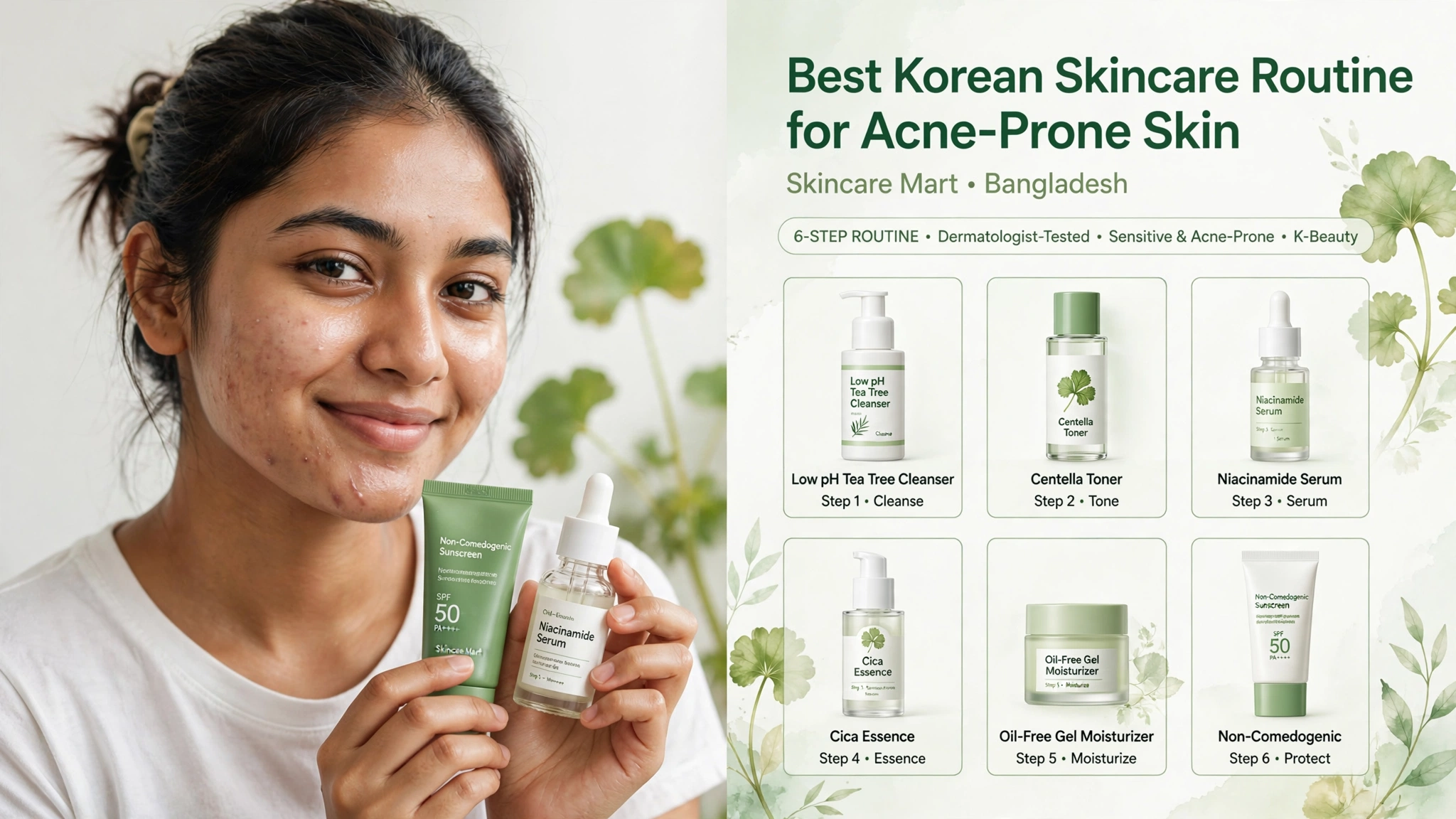

Run your fingers over your skin and feel a cluster of small, flesh-toned bumps that never quite turn into a proper pimple and never quite go away either? That texture — not red, not painful, just persistently there — is usually closed comedones, one of the mildest but most stubborn forms of acne to actually clear.
Quick answer: Closed comedones (whiteheads under the skin) form when hair follicles clog with oil, dead skin cells, and debris beneath a layer of intact skin, so they stay skin-colored rather than darkening like blackheads. They're typically treated with gentle, consistent use of salicylic acid or a topical retinoid, both considered first-line options, paired with genuinely non-comedogenic skincare and makeup. They are stubborn precisely because they're "stuck" within the follicle — expect weeks, not days, before you see visible change, and avoid the temptation to squeeze them.
Who this guide is for
This is for people dealing with persistent small, skin-colored or flesh-toned bumps rather than active, red, inflamed pimples. Comedonal acne is generally considered the mildest form of acne, but it can be difficult to treat precisely because the clog is contained within the follicle. If closed comedones don't respond to consistent over-the-counter care after a couple of months, or if you're seeing them alongside more inflamed acne, a dermatologist can offer stronger topical or oral options. This isn't a claim that any skincare product cures comedonal acne permanently — ongoing prevention matters as much as initial treatment, and this article isn't a substitute for a clinician's evaluation.
What causes closed comedones
Comedones form when hair follicles become clogged with a combination of oil (sebum), dead skin cells, and sometimes bacteria. Closed comedones specifically stay covered by a thin layer of skin, so — unlike blackheads, where the open pore lets air oxidize the trapped material and turn it dark — they remain flesh-colored or white rather than darkening. Common contributing factors include:
- Comedogenic skincare or makeup: Heavy oils, certain waxes, and some silicones can sit on the skin and contribute to clogged follicles.
- Hormonal changes: Shifts in hormone levels can increase oil production, contributing to more frequent clogs.
- Incomplete cleansing: Leaving makeup, sunscreen, or the day's buildup on skin overnight gives debris more chance to settle into follicles.
- Genetics and skin type: Some people naturally produce thicker or stickier sebum, making them more prone to congestion.
The gentle routine
Dermatology sources consistently point to two main topical categories as the go-to treatment for closed comedones, and both work by addressing the clog itself rather than just the surface:
Morning
- Cleanse: A gentle, non-foaming or low-foam cleanser. Avoid scrubbing — mechanical exfoliation and harsh physical scrubs can irritate skin and turn a closed comedone into an active, inflamed breakout.
- Moisturize: A genuinely oil-free, non-comedogenic lotion or gel.
- Sunscreen: Broad-spectrum SPF 30+, oil-free and non-comedogenic — especially important if you're using a retinoid, which increases sun sensitivity.
Night
- Cleanse: Remove sunscreen, oil, and the day's buildup thoroughly but gently.
- Treat: Apply salicylic acid (a BHA that helps exfoliate inside the pore) or a topical retinoid such as adapalene, considered first-line, dermatologist-recommended options for closed comedones. Azelaic acid and benzoyl peroxide are other options a dermatologist may suggest depending on your skin.
- Moisturize: A lightweight, oil-free moisturizer to support the skin barrier, particularly important since salicylic acid and retinoids can be drying.
Why consistency matters more than strength
Closed comedones are stubborn because they're contained within the follicle rather than sitting on the surface, so results generally take weeks of consistent use rather than showing up overnight. Starting a new active ingredient like salicylic acid or a retinoid two to three times a week, then gradually increasing frequency as skin builds tolerance, is a commonly recommended approach to avoid over-exfoliating and triggering irritation, which can worsen the very congestion you're treating. Layering multiple strong actives — a high-strength retinoid, benzoyl peroxide, and salicylic acid all at once — is more likely to damage the skin barrier and trigger new breakouts than to speed up results.
Bangladesh climate context
Heat and humidity drive higher sebaceous gland activity for much of the year in Bangladesh, and a Dhaka dermatologist has noted this effect intensifies during monsoon season — conditions that can make closed comedones and general skin congestion more noticeable. Choosing genuinely oil-free, non-comedogenic textures for moisturizer and sunscreen matters more here than in a drier climate, since heavier formulas are more likely to contribute to clogged follicles when skin is already producing more oil.
Product-selection checklist
| Step | Look for | Avoid |
|---|---|---|
| Cleanser | Gentle, non-foaming or low-foam, fragrance-light | Harsh physical scrubs, exfoliating beads |
| Treatment | Salicylic acid (BHA) or a topical retinoid such as adapalene; azelaic acid as an alternative | Multiple strong actives layered together as a beginner |
| Moisturizer | Oil-free, labeled non-comedogenic | Heavy creams with mineral oil, waxes, or occlusive silicones as a first choice |
| Sunscreen and makeup | Oil-free, non-comedogenic labeling | Oil-based or heavy, dewy-finish formulas if you're prone to congestion |
How to use these ingredients correctly
Patch-test any new salicylic acid or retinoid product for 24 to 48 hours before applying it to your full face. Apply retinoids at night, in a pea-sized amount across the area rather than spot by spot, and expect some initial dryness or a "purging" period where skin can look slightly worse before it improves — this is a recognized adjustment phase, not necessarily a sign the product is wrong for you, though genuine irritation (burning, significant redness) is a reason to scale back frequency. Always follow with a non-comedogenic moisturizer to support the skin barrier during this adjustment.
Mistakes and cautions
- Squeezing or picking at closed comedones. Because the material is trapped beneath intact skin, squeezing is more likely to cause irritation or push the clog deeper than to actually clear it, and can trigger inflammation or scarring.
- Scrubbing aggressively. Harsh physical exfoliation can irritate skin and turn a closed comedone into an active, painful breakout.
- Layering too many actives at once. Combining high-strength retinoids, benzoyl peroxide, and salicylic acid simultaneously often compromises the skin barrier rather than clearing congestion faster.
- Using comedogenic products without realizing it. Heavy oils, certain waxes, and thick silicones are common hidden culprits in moisturizers, sunscreens, and makeup.
- Expecting fast results. Because comedones are established within the follicle, most people need several weeks of consistent treatment before seeing meaningful change.
Frequently asked questions
What's the difference between closed comedones and blackheads?
Both are comedones, but blackheads (open comedones) are exposed to air, which oxidizes the trapped material and turns it dark. Closed comedones stay covered by a layer of skin, so they remain flesh-colored or white rather than darkening.
Should I try to extract closed comedones myself at home?
This isn't generally advised — extraction is best left to a dermatologist or trained professional using sterile tools, since attempting it yourself risks irritation, infection, or pushing the clog deeper rather than resolving it.
Is salicylic acid or retinoid better for closed comedones?
Both are considered effective, first-line options and work somewhat differently — salicylic acid helps exfoliate inside the pore, while retinoids increase overall cell turnover to prevent new clogs from forming. Some people use one, others use both on alternating nights once their skin tolerates it.
How long before closed comedones clear up with treatment?
Most people need several weeks of consistent use before seeing meaningful improvement, since the clog is established within the follicle rather than sitting on the surface. Give a new routine at least 8 to 12 weeks before judging whether it's working.
Can moisturizer cause closed comedones?
Yes — heavy, oil-based, or occlusive moisturizers are a commonly cited contributing factor. Switching to a genuinely oil-free, non-comedogenic formula is one of the more straightforward changes that can help.
Do I need to see a dermatologist for closed comedones?
Not necessarily at first — over-the-counter salicylic acid or retinoid products are reasonable starting points. If there's no improvement after consistent use for a couple of months, or if comedones are widespread or turning inflamed, a dermatologist can offer prescription-strength options and, in some cases, in-office procedures.
Getting started
Closed comedones respond best to patience and consistency: gentle cleansing, one well-chosen active ingredient like salicylic acid or a retinoid, and genuinely non-comedogenic products throughout your routine. Browse Skincare Mart's cleanser, treatment, and moisturizer categories for non-comedogenic options, and check each product's ingredient list on its page before adding something new to your routine.